Holiday Distracted Driving
When most people hear “distracted driving,” they think of texting behind the wheel. But distraction comes in many forms, and during the busy holiday and post-holiday season, those distractions increase.
Recently David Greene joined Studio 10 to talk about the different types of distracted driving and how to stay safe.
Distracted driving is often associated with texting, but there’s a lot more to it than that, right?
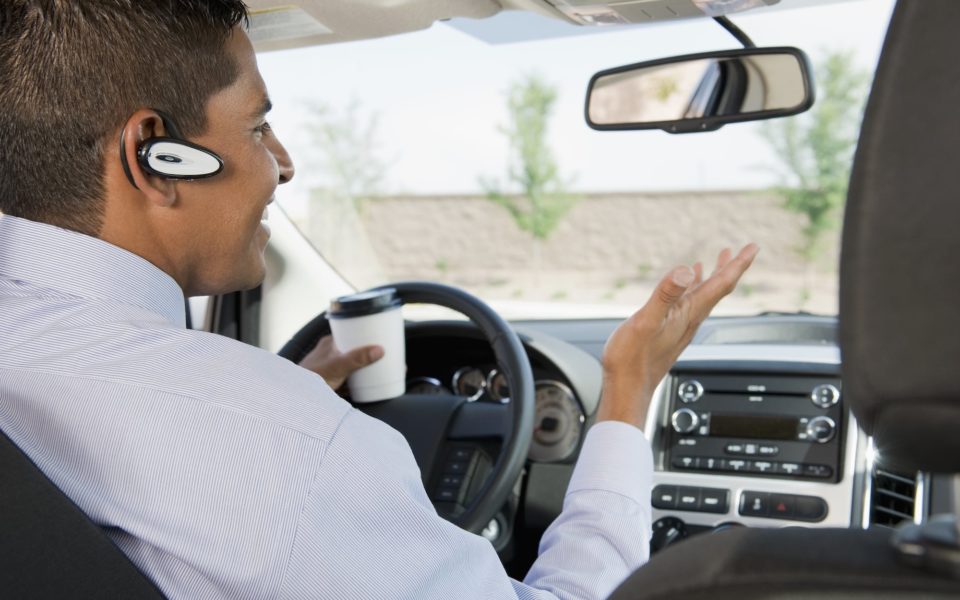
Absolutely. Texting is a major issue, but distractions come in many forms. Anything that takes your eyes off the road, your hands off the wheel, or your mind off driving can cause an accident. That includes using GPS, reaching for items, eating, talking to passengers, checking holiday messages, or adjusting music. Drivers often think of these as small tasks, but they add up to real danger.
Why do we see an increase in distracted driving this time of year?
People are busier and more overwhelmed. They’re coordinating holiday plans, answering texts from family, picking up kids, running errands, and trying to multitask behind the wheel. There’s also more traffic on the road, which increases stress. Combine all that, and the likelihood of a distracted driving accident goes way up.
For drivers who think, “I’m good at multitasking,” what would you say?
There’s actually no such thing as true multitasking when driving. The brain can’t effectively switch between tasks that quickly. Even a one- or two-second glance away can mean you’ve traveled the length of a football field without really seeing what’s in front of you. And most distracted-driving collisions happen in those tiny moments.
What can drivers do to reduce distractions?
Preparation is key. Set your GPS before you start driving. Put your phone on “Do Not Disturb.” Secure pets and loose items so they don’t move around. And if you need to answer a text or deal with something urgent, just pull over safely. Nothing on your phone is worth risking someone’s life over.
If someone is injured because another driver was distracted, what should they do?
Call 911 and get medical attention. Then take photos of the scene and get witness information if possible. Distracted driving cases can be tough to prove, so the more evidence you gather, the better. After that, talk with an experienced personal injury lawyer. We can help access things like video footage and witness statements to build the strongest case.
And if someone needs help after a distracted driving accident, how can they reach you?
They can stop by our office at 51 North Florida Street anytime, no appointment needed. Or they can call or text us at 251-300-2000, or fill out a contact form. And if they can’t make it to us, we’ll come to them.