Bicycle Safety: Sharing the Road
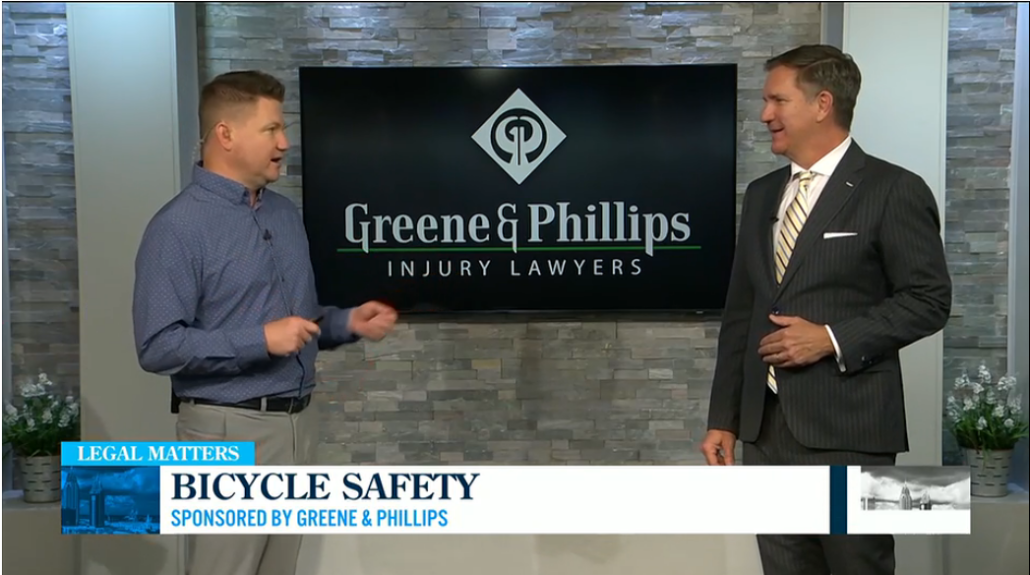
As the weather warms up and more people spend time outside, we’re seeing more bicycles on the road across the Gulf Coast. Whether it’s for exercise or just getting around, it’s important for both drivers and cyclists to understand how to safely share the road. Recently, David Greene joined Studio 10 to talk about bicycle safety.
This time of year we really start seeing more cyclists. Why is that important for drivers to keep in mind?
Bicycles are much smaller and harder to see than vehicles, so drivers have to be especially alert. We see a lot of accidents where a driver simply didn’t notice a cyclist before turning or changing lanes. As more people get out and ride, awareness becomes really important.
Are there certain types of bicycle accidents that tend to happen more often?
Definitely. One of the most common is when a driver is turning, either left or right, and doesn’t see a cyclist traveling alongside the road. We also see situations where a vehicle passes too closely or misjudges how much space a cyclist needs.
What are drivers supposed to do when they’re sharing the road with a bicycle?
The biggest thing is to give cyclists enough space. In Alabama, drivers are required to leave a safe distance when passing a bicycle. That means slowing down if needed and waiting until it’s safe to go around. Just like any other vehicle, cyclists have a right to be on the road.
What about cyclists? What can they do to stay safer?
Visibility is key. Wearing bright or reflective clothing, especially early in the morning or in the evening, can make a big difference. Cyclists should also follow traffic laws, ride in the same direction as traffic, and stay predictable so drivers can anticipate what they’re doing. And of course, wearing a helmet is one of the simplest ways to reduce the risk of serious injury. It’s always a smart choice.
And if someone is involved in a bicycle accident, what should they do afterward?
Just like any accident, the first priority is safety and getting medical attention if needed. After that, it’s important to document what happened, get witness information, and make sure a report is filed. These cases can involve serious injuries, so understanding your rights is important.
How can someone get in touch with you after a bicycle accident?
If you’ve been injured and just aren’t sure what your options are, it can really help to talk to someone who’s handled these types of cases before. At Greene & Phillips, we’ve worked with a lot of bicycle accident cases and understand how to guide people through that process. Call, text, or come by anytime.