Hospital Liens: What You Need to Know After an Accident
After an accident, most people are focused on getting medical care and recovering from their injuries. But what many don’t realize is that the hospital or medical provider may place something called a lien on their case, a legal claim that can quietly reduce, or even eliminate, their settlement if it isn’t handled correctly.
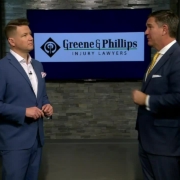
David Greene recently joined Studio 10 on Fox 10 to walk through exactly what hospital liens are, how they get filed in Alabama, and what injury victims need to know before they settle.
What is a Hospital Lien?
A hospital lien is a legal claim that a medical provider files against your personal injury case. Rather than demanding payment at the time of treatment, the hospital agrees to treat you now and then seek repayment later — directly out of any settlement or court award you receive from the at-fault party.
In Alabama, hospitals are authorized to do this under state law. If you’re treated after an accident caused by someone else, that hospital can file a lien with the probate court in the county where the accident occurred — even if you have health insurance. The hospital is protecting its right to be paid, and it’s fully within the law to do so.
That’s not inherently a bad thing. The lien arrangement is actually what allows many accident victims to get the care they need without paying thousands of dollars out of pocket while their case is still open. But it comes with a catch: the bill doesn’t disappear. It follows the case, and it has to be dealt with before you can receive your settlement funds.
Important: A properly filed hospital lien must be resolved before settlement funds are distributed to you. Your attorney is legally and ethically required to honor it — and if it’s overlooked, both you and your lawyer can be held responsible.
How Does a Hospital Lien Get Filed?
The process typically happens without any action on your part. After treating you, the hospital files a notice with the probate court and you should receive a copy in the mail — but many people miss it, don’t recognize what it means, or assume it’ll sort itself out. By the time it comes up again, their case may already be close to settlement.
Consider a straightforward example: you’re in a crash on a busy Mobile roadway, you’re taken to the hospital, the ER runs X-rays and a few tests, and you’re discharged the same day. Even if everything checks out, you could leave with several thousand dollars in medical bills attached to your name and a lien filed at probate court shortly after. That lien attaches to whatever recovery you eventually receive from the at-fault driver’s insurance.
Left unresolved, a hospital lien doesn’t just affect your injury case. It can surface when you apply for a mortgage, try to finance a car, or take out any kind of loan. It’s a real financial liability — not just a paperwork formality.
How Does a Lien Affect Your Settlement Amount?
This is where a lot of people get an unpleasant surprise. The settlement number you agree to isn’t necessarily what you walk away with. Attorney fees, case costs, and any outstanding liens all come out first. A hospital bill that seemed manageable can take a significant bite out of the final number and sometimes the majority of it.
The problem is more acute when insurance policy limits are low. If the at-fault driver was underinsured and the total recovery is modest, a large hospital lien can consume most of the settlement before the injured person sees a dollar. That’s why liens need to be factored into settlement strategy from the beginning and not treated as an afterthought at the end.
What this means in practice
- Hospital liens must be paid or negotiated before settlement funds reach you.
- The lien amount isn’t fixed — in many cases it can be reduced through negotiation.
- Ignoring a lien won’t make it go away. It can follow you and affect your credit and finances long after your case is closed.
- An experienced attorney will identify liens early and build them into the overall case strategy from the start.
Can a Hospital Lien Be Negotiated Down?
In many cases, yes — and this is one of the most meaningful things a personal injury attorney can do for a client. Hospitals will often accept significantly less than the face value of a lien, particularly when insurance policy limits are low or liability is in dispute. A skilled attorney knows how to open that conversation and use the facts of the case as leverage.
The difference between the original lien amount and what gets negotiated goes directly to the client. On cases with substantial liens, that reduction can be the difference between a meaningful recovery and walking away with almost nothing.
What Should You Do If a Lien Has Been Filed on Your Case?
The most important thing is not to ignore it. If you find out a hospital lien has been placed against your case get in front of a personal injury lawyer as soon as possible. You need to understand who filed the lien, what amount is being claimed, and how it fits into the bigger picture of your case.
If you’re already represented, make sure your attorney is actively tracking it. Any lawyer who handles personal injury cases regularly should be checking for liens as a matter of course — not waiting for the client to bring it up. If you haven’t spoken to anyone yet, that’s the first call to make. The earlier a lien is identified, the more options you have.
At Greene & Phillips, identifying and resolving hospital liens is a standard part of how we handle every case. It’s not optional — it’s part of making sure clients are protected not just at settlement, but long after the case is closed. If you’ve been injured and have questions about how a lien might affect your recovery, call, text, or come by either office anytime. You never need an appointment.
Have Questions About a Lien on Your Case?
If you’ve been injured in an accident and aren’t sure how your medical bills or a hospital lien might affect your settlement, we can help you sort it out. Contact us today