Is a Business Automatically at Fault If You Slip and Fall in Alabama?
No. A business isn’t automatically responsible just because you fell on its property. It can be held responsible when it created a hazard, knew about one, or should have found one, and then didn’t fix it or warn you in time. A yellow wet floor sign helps the business’s side, but it doesn’t always settle the question, especially when the sign went up late.
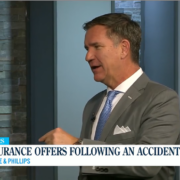
Attorney David Greene covered this on a recent appearance on WKRG News 5’s Judge Knows, talking through when a store or restaurant can be held responsible for a fall, whether a warning sign gets a business off the hook, and what to do before you leave the building.
When Is a Business Responsible for a Slip and Fall in Alabama?
When it failed to deal with a danger it knew about or should have known about. If you’re shopping in a grocery store or eating at a restaurant, Alabama law treats you as an invitee, and the business owes you reasonable care. That means keeping the place reasonably safe and warning customers about dangers they wouldn’t see on their own.
Alabama courts have said for decades that a store isn’t an insurer of its customers’ safety. A fall, by itself, doesn’t prove the business did anything wrong.
What usually decides these cases is notice. The injured person generally has to show that an employee created the hazard (mopping a floor and leaving it wet, for example), that the business actually knew about it, or that it had been there long enough that the business should have found it. That last one is called constructive notice, and it’s often where the fight is.
David was clear that the firm isn’t out to pick on businesses. Plenty of its friends own them. But when a business has a duty to warn people about a known danger and doesn’t, and a customer gets hurt because of it, that customer deserves someone looking out for their interests.
Is a Wet Floor Sign Enough to Protect the Business?
Sometimes, but not always. A sign that’s in the right place at the right time can be enough. A sign that goes up after the floor is already wet, or that sits where a customer walking toward the hazard wouldn’t see it, may not do the job it’s supposed to do.
David described a case the firm tried in Mobile County Circuit Court where a warning sign was up. The problem was timing. The sign went up late, the customer had already stepped into the hazard, and the injury was severe. The jury returned a verdict for the injured customer. Every case turns on its own facts, though, and a past result doesn’t predict how any other case will come out.
Expect the business to point to the sign anyway. Alabama businesses often argue a hazard was open and obvious, meaning a reasonable customer would have seen it and avoided it, and a sign is usually their main evidence. Whether that argument holds up depends on when the sign went out, where it was, and what you could actually see.
Can I Still Recover If I Was Partly at Fault for My Fall?
Maybe not, and this is where Alabama is tougher than most states. Alabama follows contributory negligence, which means that if you’re found even slightly at fault for your own fall, you can be barred from recovering anything.
Insurance companies know this rule well. They’ll look for anything that suggests you weren’t paying attention, like checking your phone or walking past a sign. That’s one more reason the evidence from the first few minutes matters so much.
What Should I Do Right After a Fall in a Store or Restaurant?
Start with your health. If you’re hurt badly, let someone call for help and don’t try to tough it out.
If you’re able, tell the manager what happened so there’s a record of it. Then find out who saw it. David’s first piece of advice is to talk to any witnesses and get their names and phone numbers before they leave, because a customer who walks out the door is hard to find later.
Take your own pictures of the spot where you fell, including the floor, whatever you slipped on, and whether there was a warning sign (and where it was). Photos taken in the moment can show things that get cleaned up within minutes.
Get medical treatment, even if you think you’re only sore. Some injuries from a fall don’t show up right away, and a gap between the fall and your first doctor’s visit is something an insurance company will try to use. We’ve written more about that in What If I Didn’t Get Medical Treatment Right Away After an Accident?
Then call a lawyer before you give a recorded statement to the business’s insurance company.
What Happens to the Store’s Security Video?
A lot of stores and restaurants have cameras that may have caught the whole thing. A lawyer can ask the business to preserve that footage and can pursue it through the case.
Timing matters here. Businesses often keep video only for a limited period before it’s recorded over, and David noted that footage that should exist sometimes turns out to be gone by the time anyone asks for it. Getting a lawyer involved early gives you the best chance of that video still being there.
How Long Do I Have to File a Slip and Fall Claim in Alabama?
In most cases, two years from the date of the fall. If you fell on property owned by a city or other government body, the deadline to give notice of your claim can be much shorter, so don’t wait on those.
Waiting the full two years is rarely a good idea, either. Witnesses move, memories fade, and video gets deleted long before the deadline arrives. You can read more about how these claims work on our slip and fall and premises liability pages.
What Should I Do Next?
If you fell in a store, restaurant, or other business and you’re not sure whether the business is responsible, bring your photos, any witness names, and your medical records, and let the firm look at what happened.
Call Greene & Phillips Injury Lawyers at 251-478-1115 (Mobile) or 205-918-7800 (Birmingham), or visit our contact page. No appointment needed, and your first consultation is free. If we don’t recover money for you, you won’t owe attorney’s fees or case costs. If we do, case costs are deducted from your recovery.