Should I Talk to the Other Driver’s Insurance Company?
No. You aren’t required to talk to the other driver’s insurance company after a wreck in Alabama, and you don’t have to give them a recorded statement. If their adjuster calls, you can say you’re not ready to discuss the facts of the accident and end the call. Your own insurance company is a different story, since your policy likely requires you to cooperate, but you can give that statement with your lawyer present.
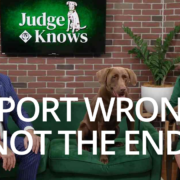
Attorney David Greene covered this on WKRG News 5’s Judge Knows, explaining why that first call from the other side’s adjuster can do real damage to a claim and what to say if you’ve already picked up the phone.
Why Is the Other Driver’s Insurance Company Calling Me?
They want your version of the wreck on record, and they want it early. That call often comes within days, before you’ve finished seeing doctors and before you’ve talked to a lawyer.
David is quick to say adjusters aren’t bad people. They’re doing their job. But the adjuster works for the company that would have to pay your claim, and part of that job is collecting information that can shrink the claim or end it. The call may sound friendly, and the adjuster may say they’re there to help. They don’t represent you.
Do I Have to Give the Other Insurance Company a Recorded Statement?
No. David calls recorded statements to the other driver’s insurer “very, very dangerous.” A recorded statement is a taped question-and-answer session, and whatever you say becomes part of the file. Months later, it can be lined up against your medical records or your deposition testimony, and any difference gets treated as a problem with your story.
Your own insurance company works differently. Most auto policies require you to cooperate with your insurer, which can include giving a statement. You can still do that with your lawyer in the room, and your lawyer can walk you through the questions that tend to cause trouble before you answer them.
What Should I Say If the Adjuster Calls?
Keep it short. David suggests something like this:
“I’m not ready to talk about the facts of this case. I’ll want to talk about the property damage, but we’ll do that later.”
Don’t answer questions about how the wreck happened, how fast you were going, or how you’re feeling. Don’t agree to be recorded. Write down the adjuster’s name, company, and claim number, and give that information to your lawyer.
If you’re still at the scene or haven’t left the roadside yet, we’ve also covered what to avoid saying to the other driver right after a crash.
How Can Small Talk Hurt My Claim?
Southerners are polite on the phone. The adjuster asks how you’re doing, and you say “I’m doing great” out of habit. A few minutes later, they ask about your injuries, and you tell them your leg is broken. Now there’s a recorded conversation where you said you were great.
You meant it as a figure of speech. The insurance company may not treat it that way. David’s point is that ordinary, friendly answers can be pulled out of a conversation and used to question how badly you were hurt, and a big admission isn’t required for that to happen. The same thing happens with posts online, which we covered in Can My Social Media Posts Be Used Against Me in an Alabama Injury Case?
Why Does Alabama’s Contributory Negligence Rule Make the Call Riskier?
Alabama is one of only a few states that still follows pure contributory negligence. Under that rule, if you’re found even slightly at fault for a wreck, you can be barred from recovering anything from the other driver. That can happen even if the other driver was 99% responsible and you were 1%.
That’s why the adjuster’s questions matter so much. Here’s the kind of exchange David described: the adjuster asks how fast you were going. You guess 45. It turns out the speed limit on that road was lower, or you aren’t sure what it was. That one answer can be used to argue you share some of the blame, and in Alabama a small share of blame can be enough to sink the claim.
The rule sounds complicated, but in practice it’s simple. Anything you say that makes you look partly at fault helps the other side, and you usually can’t take it back once it’s recorded.
What Should I Do Next?
Talk to a lawyer before you talk to the other driver’s insurance company. A lawyer can handle communication with the adjuster so you don’t have to guess which questions are safe.
If the other driver’s insurance company has already called you, or you’re expecting them to, call Greene & Phillips Injury Lawyers at 251-478-1115 (Mobile) or 205-918-7800 (Birmingham), or visit our contact page. No appointment needed, and your first consultation is free.