Should I Move My Car After an Accident in Alabama?
Usually, yes. If nobody appears to be hurt and your car still drives, Alabama law lets you move it out of the travel lanes to the shoulder, median, or another spot close by, as long as you stay at or near the scene. If someone is hurt, the car stays where it is until an officer says otherwise. You should still get yourself out of the road either way.
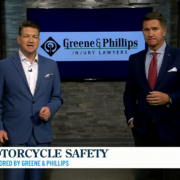
David Greene of Greene & Phillips Injury Lawyers joined FOX10’s Studio 10 to talk through the first few minutes after a wreck, starting with the thing he puts ahead of everything else: making sure you don’t get hit a second time.
Why Does Getting Out of Traffic Come First?
Because a second crash can be worse than the first one. David said plenty of people have heard, sometimes from an officer, that they shouldn’t move their car after an accident. His view is that your safety outranks that advice. A car stopped in a live lane can get struck again, and so can the people standing next to it.
If your car is disabled, get out of it and get off the roadway. If the other driver needs help getting out, help them. Arguing about who caused it can wait. As David put it, the he said, she said part gets sorted out later.
What Does Alabama Law Say About Moving Your Car After a Wreck?
Under Ala. Code § 32-10-1, every driver in a crash has to stop at the scene or as close to it as possible. When the crash doesn’t involve any apparent injury, the driver isn’t impaired, and the car can be driven safely, the driver may move it to the shoulder, an emergency lane, the median, or another nearby location. The driver still has to stay at or as close to the scene as is safely possible.
The rule changes when someone is hurt or killed. In that case, the vehicle isn’t supposed to be moved until law enforcement directs it. That applies to the car, not to you. You can still step away from the vehicle to a safe spot while you wait for help.
Moving your car also isn’t the same as leaving. Driving away from the scene of an accident can create criminal problems on top of the crash itself, which David covered in more detail in our post for teen drivers.
What Should I Say to the Other Driver After an Accident?
Ask if they’re okay, and leave it there. David’s advice is to stay away from the facts entirely. Don’t talk through who did what, and don’t apologize.
That last one is hard for a lot of people. Saying “I’m so sorry, I didn’t mean for this to happen” feels like basic decency, and nobody means for a wreck to happen. But David said a statement like that can be taken as an admission that you did something you didn’t do. In Alabama, that carries extra weight. Under the state’s contributory negligence rule, a finding that you were even slightly at fault can bar you from recovering anything, so an offhand apology at the scene can come back up later. (If you’re worried you were partly to blame, read why you should still talk to a lawyer before deciding you don’t have a claim.)
Call 911 and let the officers work out how it happened. That’s their job.
How Should I Answer When an Officer Asks If I’m Hurt?
“I’m not sure” is an honest answer, and it’s often the right one. David pointed out that adrenaline and confusion can hide an injury for hours. You might feel fine at the scene and be hurting badly by that evening.
So don’t try to rate your injuries on the spot, and don’t say you’re fine just to move things along. Get checked out by a medical provider, even if you don’t think you need it. The June post on what to do after a wreck covers when to take the ambulance and when urgent care makes sense.
Should I Write Down What Happened at the Scene?
If you’re asked for a written statement and you’re able to give one, keep it plain and stick to what you understood happened. Something like “the other car pulled out in front of me and I hit it” or “I was driving the speed limit” is the kind of simple account David described. That gives you a record made at the time, while the details are fresh.
If you’re hurt and headed to the hospital, don’t worry about paperwork. Do what you can. And if the report that comes out later gets something wrong, that’s fixable too.
Should I Take Photos After a Car Accident?
Yes, once you’re safely out of the road. Take pictures and video of the vehicles, the damage, and the scene, and get as much information as you can. David said photos can make a real difference later when everyone is trying to piece together how the crash happened.
When Should I Talk to a Lawyer After a Car Wreck?
Once everyone is safe, 911 has been called, and you’ve gotten medical attention, it’s a good time to talk with a lawyer who handles car wreck cases. Greene & Phillips handles personal injury cases on a contingency fee, which means there’s no attorney’s fee unless the firm recovers compensation for you, and the consultation is free.
Call Greene & Phillips Injury Lawyers at 251-478-1115 (Mobile) or 205-918-7800 (Birmingham), no appointment needed. You can also reach us through our contact page.