Can My Social Media Posts Be Used Against Me in an Alabama Injury Case?
Yes. Anything you post about your accident or your injuries can be pulled up by the insurance company or the defense lawyer and used against you, and that includes posts on a private account. The safest approach while your case is open is to post nothing about the wreck, your injuries, or your recovery.
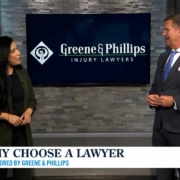
Attorney David Greene covered this on a recent appearance on WKRG News 5’s Judge Knows, explaining how a single post can resurface in a deposition and what to do if you’ve already shared something about your case.
How Can a Social Media Post Be Used Against Me?
Details you post become evidence. Say you write that your left knee took the worst of it, and later your doctor finds the real damage is in your back. Months after that, you’re sitting across from the defense lawyer in a deposition, and he reads your post back to you and asks why your story changed.
The post doesn’t have to be untrue to cause problems. An early guess about your injuries, or a quick description of how the wreck happened, can be framed as an inconsistency. Photos carry their own risks, and we’ve covered how harmless pictures get taken out of context in How Social Media Can Hurt Your Injury Claim.
Does Anyone Actually Look at My Social Media?
Yes. Insurance companies and defense lawyers check, and so do lawyers on the injured person’s side. David says one of the first things the firm does after taking a case is look at what the other side has posted publicly. People post things about a wreck they shouldn’t, and when the driver who caused it has done that, it can end up in front of their insurance company.
That works in both directions. Whatever you post is available to the other side in the same way.
Does a Private Account Protect Me?
Not really. A private account still shares everything with your friends list, and for a lot of people that’s 50, 100, or 200 people, some of whom they barely know. Any one of them can take a screenshot. Privacy settings also don’t necessarily keep relevant posts out of a lawsuit once the case moves into discovery.
David’s rule is simple: nothing about your case goes on Facebook, Instagram, or any other platform, private or not.
Can I Still Use Social Media at All?
You can. David isn’t telling anyone to quit social media, and he’s clear the platforms themselves aren’t the problem. Posting about your family and everyday life is fine. Keep the accident, your injuries, and your treatment out of it, and think twice before posting photos of physical activity, since those are the ones insurers most often try to spin.
I Already Posted About My Accident. What Should I Do?
Don’t delete it. Stop posting about the case and call your lawyer before you change anything on your account.
Once a claim is likely, posts about the accident can be evidence, and deleting them can be treated as destroying evidence and held against you. A screenshot helps, but it isn’t a full substitute. It doesn’t capture the platform’s own record of when something was posted or edited, and it can miss parts of the comment thread.
David’s advice is to get the post into a separate file and into your lawyer’s hands. Your lawyer can have you download a complete copy of your account data (Facebook, Instagram, and most other platforms offer this) and then tell you whether, and how, to take anything down.
Should I Respond to Comments About My Wreck?
No. Don’t argue with anyone online about your accident, even if what they’re saying is wrong. Anything you type in a heated back-and-forth is a written statement the other side can use later. If someone comments on your post or tags you in something about the crash, leave it alone and let your lawyer deal with it.
What Should I Do Next?
If you’re worried something you’ve posted could affect your claim, bring it with you. The firm can look at what’s out there and talk with you about how to handle it.
If you’ve been hurt in an accident and have questions about social media and your claim, call Greene & Phillips Injury Lawyers at 251-478-1115 (Mobile) or 205-918-7800 (Birmingham), or visit our contact page. No appointment needed, and your first consultation is free.