What Should I Do If the Other Driver Lies About the Accident in Alabama?
Call 911, get medical care, and start gathering evidence that doesn’t depend on anyone’s word: photos, video, the names of people who saw the crash, and footage from nearby cameras. In Alabama, fault isn’t settled by whoever tells the better story at the scene. If a claim ends up in court, a judge or jury decides what happened, and independent witnesses and video are often the strongest proof either side has.
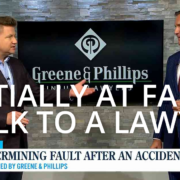
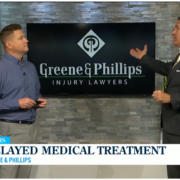
David Greene of Greene & Phillips Injury Lawyers joined FOX10’s Studio 10 to talk about what happens when the other driver’s version of a wreck doesn’t match yours, and how the firm works to find out what really happened.
Why Would the Other Driver Change Their Story After a Wreck?
David said it happens all the time. A driver gets out of the car, says “I’m so sorry I hit you,” and by the time an officer shows up, the story has flipped. Now you’re the one who hit them.
Sometimes that’s a deliberate lie. Sometimes it’s panic, or a driver who’s had a few minutes to think about their insurance. Either way, you end up with two different accounts of one crash, and an insurance company that may side with its own driver until someone shows otherwise.
Why Does a Disputed Story Matter So Much in Alabama?
Alabama follows contributory negligence. If you’re found even slightly at fault for a wreck, that can bar you from recovering anything from the other driver. So a false account that pushes a small share of the blame onto you can do more damage here than it would in most states. (If you’re worried you really were partly to blame, read why it’s still worth talking to a lawyer before you decide you don’t have a claim.)
What Should I Do First If I Think the Other Driver Is Lying?
David’s order is simple. Call 911 and get the authorities to the scene. Get medical treatment. Then call a law firm that handles car wreck cases.
Don’t argue. Trying to win the debate on the side of the road rarely changes anyone’s mind, and anything you say in the heat of it can be repeated later. Tell the officer plainly what you saw and leave it there.
Does the Police Report Decide Who Was at Fault?
No. As David put it, what matters is what actually happened and what the witnesses saw, not simply what the officer wrote down. An officer usually arrives after the crash is over and has to piece it together from the drivers, the damage, and whoever stuck around. If the other driver’s version made it into the report, that isn’t the final word. Alabama accident reports generally can’t be introduced as evidence at trial, which we cover in our post on accident reports with the wrong information.
Why Do Independent Witnesses Carry So Much Weight?
A witness who doesn’t know either driver has no reason to shade the story. After a wreck, Greene & Phillips can go out and talk to the people who actually saw it happen, and in a disputed crash, their accounts are often what the case turns on.
If you’re able, ask anyone who stopped for their name and phone number. Witnesses leave fast. A bystander who saw the light turn red is easy to find in the first ten minutes and hard to find a month later.
What Should I Photograph or Record at the Scene?
As much as you can, as long as you’re safe and able to do it. David’s advice is to get your phone out and take photos and video of everything: the vehicles, the damage, the bumpers, the road, the traffic signals, and the people standing around. If someone saw the wreck, they’ll likely be in your video, which can help identify them later.
In David’s words, taking photographs or video is never going to hurt you. (Get out of the travel lanes before you start filming. David covered that in our post on moving your car after an accident.)
Can Surveillance Video Prove What Happened in a Car Accident?
Often, yes. Depending on where the wreck happened, there’s a good chance a camera caught some of it. David pointed to doorbell cameras like Ring, cameras on businesses and churches, and convenience stores, which tend to have cameras covering the parking lot and the road out front.
Video doesn’t forget details and doesn’t have a side to take, so it can make a big difference when two drivers disagree. Many camera systems record over older footage, though, so timing matters. A lawyer can contact the property owner and ask that the footage be saved before it’s gone.
Does It Matter If the Other Driver Apologized at the Scene?
It can. If the other driver said “I’m sorry I hit you” and then told the officer something different, that change is worth knowing about. Write down what they said as soon as you can, and tell your lawyer whether anyone else heard it. What a driver says at the scene can sometimes be used later to test the story they tell afterward.
This cuts both ways. It’s the reason David’s advice for your own conversation with the other driver is to ask whether they’re okay and stop there.
Who Decides Who Was Legally Responsible for the Accident?
A judge or a jury, depending on which court hears the case. In Alabama, district court handles civil cases where the amount in controversy is $20,000 or less, and those cases are decided by a judge in what’s called a bench trial. Larger cases go to circuit court, where a jury can decide.
In a jury trial, the jury decides the facts based on the testimony and evidence presented from the witness stand. The judge tells the jury what the law is. David said that can make a huge difference, and it’s why the evidence gathered in the first days after a wreck counts for so much. Many injury claims settle without a trial, but an insurance company’s view of a claim is shaped by what it expects a judge or jury would do with the evidence.
When Should I Call a Lawyer If the Other Driver Is Lying?
As soon as you’ve called 911 and gotten medical care. The sooner someone starts looking for witnesses and video, the more there is to find.
Greene & Phillips handles personal injury cases on a contingency fee, and the consultation is free. If there’s no recovery, you don’t owe an attorney’s fee or any case expenses. If there is a recovery, case costs are deducted from it separately from the attorney’s fee, as your written contract explains.
Call Greene & Phillips Injury Lawyers at 251-478-1115 (Mobile) or 205-918-7800 (Birmingham), no appointment needed. You can also reach us through our contact page.